Introduction
Navigating the complex world of client care requires not just empathy, but also specialized knowledge and skills. One area that has ended up being increasingly significant in health care is percutaneous endoscopic gastrostomy (PEG) feeding This approach enables nourishment to be delivered directly to an individual's belly, substantially improving their lifestyle. Nonetheless, administering PEG feeds comes with its own collection of obstacles and responsibilities. For nurses and support personnel, comprehending the ins and outs of PEG feeding is essential for ensuring patient safety and security and compliance with nutritional guidelines.
In this article, we will certainly look into the significance of specialized training for nurses and support personnel pertaining to PEG feeding systems. We will discover numerous training courses readily available in Australia, the advantages of enhancing confidence with education and learning, and just how these competencies cause far better patient outcomes.
What is PEG Feeding?
PEG feeding, or percutaneous endoscopic gastrostomy feeding, is a clinical procedure that includes positioning a tube through the abdominal wall surface right into the belly. This method is used for patients that are incapable to eat by mouth as a result of different problems such as neurological disorders, cancer, or serious ingesting difficulties. The PEG tube allows for enteral nutrition, providing necessary nutrients straight right into the gastrointestinal tract.
The Need for PEG Feeding
The requirement for PEG feeding arises when oral consumption is insufficient or difficult. Problems that may necessitate this intervention consist of:
- Neurological Disorders: Stroke or traumatic brain injuries can harm swallowing. Cancer: Growths can block normal consuming processes. Chronic Illnesses: Illness like ALS or several sclerosis affect muscle control.
Understanding these demands allows healthcare professionals to make educated choices regarding client care.
Building Self-confidence in PEG Feeding: Specialized Training for Nurses and Support Staff
Training programs concentrated on PEG feeding empower nurses and support personnel with important abilities required for safe management. The specialized training covers different facets consisting of tube placement, upkeep, repairing problems, and patient education.
The Role of Registered nurses in PEG Feeding
Nurses play an essential role in managing people with PEG tubes. Their obligations consist of:
- Administering enteral feedings. Monitoring individuals for indications of complications. Educating patients and families concerning treatment protocols.
Given these duties, correct training comes to be a vital part of nursing practice.
Overview of Enteral Feeding Support Course
An enteral feeding assistance course gives detailed understanding regarding all things related to enteral nourishment-- especially focusing on PEG feeding methodologies. Such training courses cover:
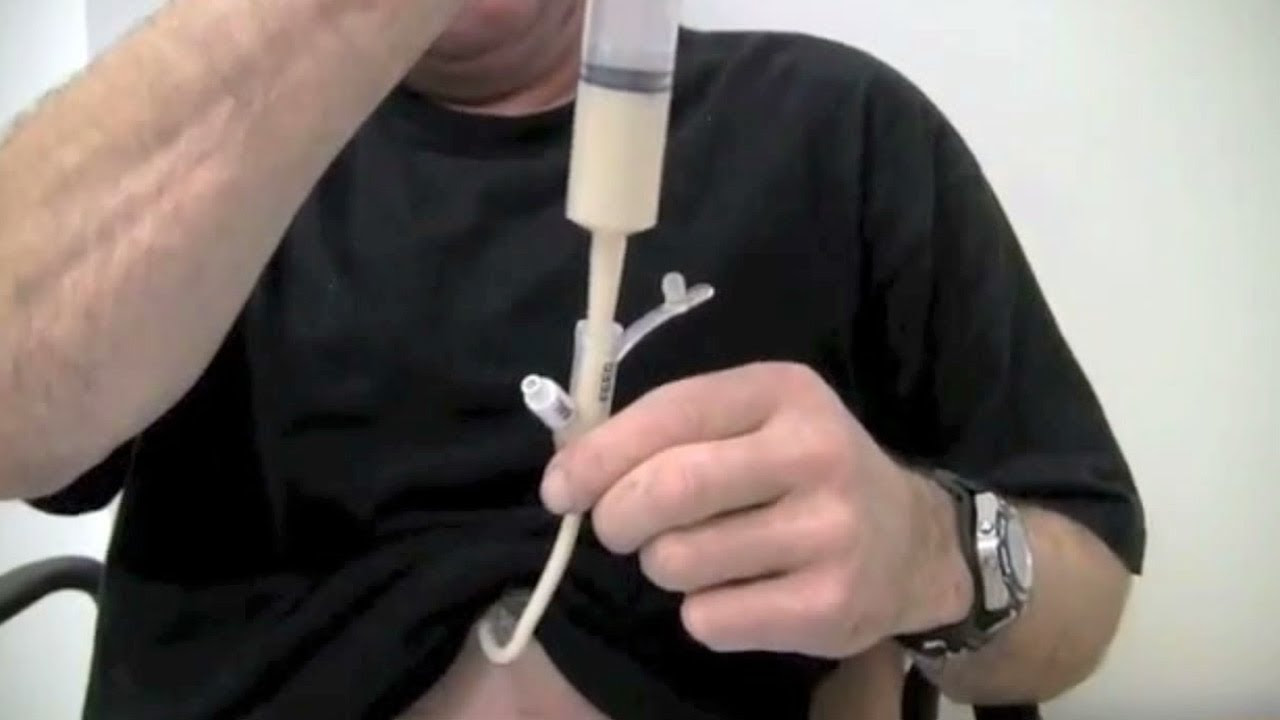
Engaging in an enteral feeding support course boosts both academic expertise and sensible skills.

Benefits of Specialized Training in PEG Feeding
Investing time in specialized training provides myriad benefits including:

Improved Client Safety
Training guarantees that nurses can determine possible complications early-- be it infection at the insertion website or issues associated with feed tolerance-- thus boosting client security significantly.
Enhanced Abilities and Knowledge Base
Through training courses like PEG training courses, caretakers acquire understandings into correct strategies which can result in less mistakes during administration.
Increased Individual Satisfaction
Patients feel extra enteral feeding support course secure when they know their caretakers are well-trained; this increases total satisfaction levels with their health care experience.
Support for Household Members
Educated personnel can better inform family members regarding looking after people with PEG tubes, which promotes teamwork in between healthcare providers and families.
Popular Training courses Readily available in Australia
Australia provides a selection certainly tailored particularly for those curious about enhancing their understanding about PEG feeding methods:
1. NDIS PEG Feeding Training
This training course focuses on providing customized assistance within the National Disability Insurance Coverage Scheme (NDIS) framework while showing crucial abilities associated with secure feeding.
2. Enteral Feeding Training
A broad yet comprehensive program covering all facets connected with enteral nourishment; perfect for both beginner caretakers in addition to skilled specialists wanting to revitalize their skills.
3. PEG Training Courses
These targeted courses delve much deeper right into specific strategies needed for reliable administration of patients receiving dietary assistance through a peg tube.
FAQs concerning Building Self-confidence in PEG Feeding
1. What certifications do I require to take a peg feeding course?
Most programs need participants to have standard nursing qualifications or appropriate experience in healthcare settings.
2. For how long does it take to complete a peg feeding training course?
Duration differs by institution however generally varies from one day to several weeks relying on depth and comprehensiveness.
3. Are there on-line options available?
Yes! Many establishments currently use flexible on the internet learning alternatives that enable active professionals to research at their own pace.
4. What subjects are covered in enteral feeding support courses?
Courses typically include makeup review, procedure guidelines, fixing usual issues, client analysis methods, etc.
5. Can I get accreditation after finishing my training?
Absolutely! Many courses use certifications upon effective completion which can enhance your expert credentials.
6. How does specialized training boost patient outcomes?
Trained specialists are much better equipped to take care of emergencies properly while ensuring optimum treatment requirements-- leading directly to enhanced outcomes.
Conclusion
In verdict, "Structure Confidence in PEG Feeding: Specialized Training for Nurses and Assistance Team" plays a critical role in modern-day health care settings where dietary demands need to be fulfilled comprehensively and securely via ingenious techniques like enteral nutrition support systems. With committed training programs offered such as NDIS peg feeding training or specialized enteral feeding support courses made specifically for nurses and assistance workers alike-- the course towards achieving competency has actually never ever been clearer!
Arming yourself with knowledge not just boosts daily technique but additionally improves overall individual care experiences substantially-- from lowering risks related to issues down the line all while instilling confidence amongst relative concerned about enjoyed ones undergoing such treatments! So why not discover options offered today?